
 See Our Latest Article on HelloNation
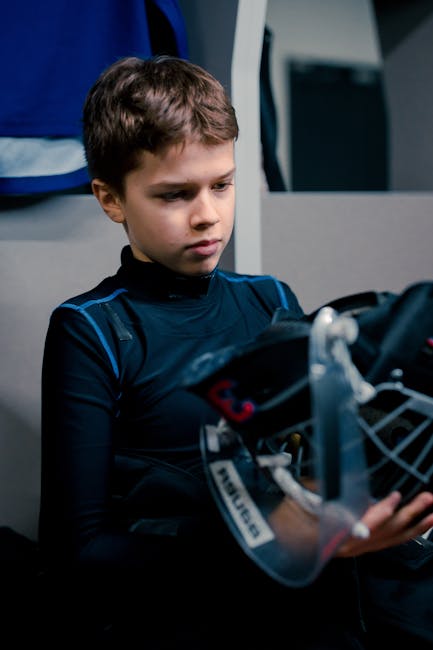
Participating in sports is a vibrant part of the Patchogue, New York lifestyle, whether you’re joining a local soccer league at Shorefront Park, heading out for a weekend of pickup basketball, or playing organized lacrosse at Medford Sports Complex. With Patchogue’s beautiful seasons and strong community spirit, residents of all ages experience the excitement and camaraderie that sports bring. However, with these physical activities comes the risk of sports-related injuries—especially concussions. As a trusted chiropractor in Patchogue, I believe it’s crucial to educate athletes, parents, and coaches on strategies for preventing sports concussions and keeping everyone safe.
Understanding Sports Concussions
A concussion is a type of traumatic brain injury caused by a bump, blow, or jolt to the head or body that causes the brain to move rapidly inside the skull. In Patchogue, where youth sports and adult leagues are a staple of social life, concussions are a concern in contact sports like football, hockey, and even recreational cycling along Main Street.
Common symptoms of a concussion include:
- Headache or “pressure” in the head
- Nausea or vomiting
- Dizziness or balance problems
- Sensitivity to light or noise
- Confusion or difficulty concentrating
Early recognition and prevention are key to avoiding long-term complications.
Why Preventing Concussions Matters in Patchogue
Beyond immediate health risks, untreated concussions can impact academic performance for local students at Patchogue-Medford High School, delay recovery for working adults, and diminish quality of community life. That’s why concussion prevention strategies should be a focus for everyone involved in Patchogue’s active recreational scene.
Protective Gear: Your First Line of Defense
Using the proper protective equipment is one of the simplest and most effective ways to prevent sports concussions.
- Helmets: Whether you’re skateboarding through the Patchogue Village or playing youth football, wearing a well-fitted helmet designed for the sport can significantly reduce risk. Make sure helmets meet safety standards and replace them after any significant impact.
- Mouthguards: These help distribute forces during contact, ideal for local lacrosse or hockey players.
- Head Gear for Soccer: Consider specialized headbands for young athletes involved in Patchogue’s popular soccer leagues.
Coaching Safe Techniques
Proper technique helps minimize the risk of head injuries in competitive and recreational sports:
- Tackling in Football: Coaches at local schools should teach athletes to never use their helmets as the first point of contact.
- Heading in Soccer: Emphasize proper heading skills and supervise children under age 10, as they are at higher risk.
- Cycling Safety: Encourage using designated bike paths and being aware of traffic, especially on Patchogue’s busy streets.
Enforcing and Following the Rules
Local leagues should enforce rules designed to protect players. Rule changes at the national and local levels—such as limiting body checking in youth hockey or restricting headers in youth soccer—can mitigate concussion risks. Patchogue community leaders, schools, and coaches should prioritize these changes to foster a culture of safety.
Building Strength and Flexibility
A strong neck and flexible body can help absorb impacts more effectively. Local athletes can benefit from conditioning programs aimed at preventing concussions:
- Neck Strengthening: Simple resistance exercises help stabilize the head during play.
- Balance and Core Training: Activities like yoga in Patchogue parks or Pilates classes can improve an athlete’s body awareness, making it easier to avoid risky collisions.
Encourage a Culture of Open Reporting
One of the biggest obstacles to effective concussion management is the pressure athletes may feel to “push through” injuries. In Patchogue, where community spirit and team camaraderie are celebrated, it’s important for coaches and parents to encourage athletes to report symptoms immediately.
Consider the following steps:
- Remind players that sitting out for a suspected concussion is a sign of strength, not weakness.
- Create safe spaces for kids in youth leagues to tell their coaches or parents if they think they’ve suffered a hit to the head.
Annual Baseline Testing and Education
Many Patchogue schools and sports programs offer baseline cognitive testing prior to their seasons. This testing allows healthcare providers to assess changes in a player’s cognitive function after a potential injury.
- Encourage athletes to participate in local baseline testing initiatives.
- Attend community seminars or workshops about concussion awareness offered by health professionals and chiropractors.
Community Resources for Recovery and Prevention
Patchogue is fortunate to have healthcare resources dedicated to treating and preventing concussions. In addition to urgent care and hospital services, consulting a trained chiropractor in Patchogue can play a key role in post-concussion care and neurological wellness, ensuring a safer return to play.
Tips for Parents and Guardians
Parents play a crucial role in preventing sports concussions and ensuring the well-being of their young athletes.
- Be proactive: Talk with your child about the importance of reporting symptoms and wearing protective gear at all practices and games.
- Get to know coaches: Ensure they are trained in concussion protocols and prioritize player safety.
- Know the signs: Stay alert to unusual behavior, concentration difficulties, or persistent headaches after any sports activity.
Patchogue’s Commitment to Safe Play
Patchogue’s love for sports and outdoor activities brings the community together, but it also means taking extra steps to safeguard health. By embracing the latest prevention strategies—from proper equipment and training to open communication and informed coaching—Patchogue athletes can enjoy the thrill of the game while reducing the risk of sports concussions.
Knowledge, preparation, and community involvement are the best ways to make sure sports remain a healthy, enjoyable part of life in Patchogue. If you have questions about concussion prevention or need guidance on safe sports practices, consider reaching out to local health professionals for support.
